For decades, tequila’s cocktail identity has largely been confined to the classic Margarita—tart, sweet, and undeniably satisfying. But as ultra-premium tequilas flood the market and mixologists push creative boundariOnce dismissed as a party shooter, tequila has emerged as a collector’s spirit, worthy of the same reverence afforded to fine whisky or cognac. Today’s luxury tequilas are complex, terroir-driven, and crafted with incredible attention to detail. But to truly appreciate these nuances, one must understand the art of tasting — an elevated ritual that transforms tequila drinking into a refined sensory experience.
Setting the Scene
Fine tequila deserves a thoughtful setting. Create an atmosphere that encourages slow sipping and focused exploration.
Glassware: Use a Glencairn, Riedel tequila glass, or snifter — not a shot glass. These styles concentrate aromas and allow the spirit to breathe.
Lighting & Space: Natural light or candlelight enhances clarity and color. Choose a calm environment, free from overpowering scents.
Palate cleansers: Offer sparkling water, unsalted crackers, or jicama slices between pours.
The Tasting Lineup
A vertical flight allows tasters to appreciate how aging transforms the spirit. A recommended progression:
Blanco – Unaged, vibrant, and expressive of agave terroir.
Reposado – Aged 2–12 months; soft vanilla and spice notes.
Añejo – Aged 1–3 years; deeper oak, caramel, and cocoa.
Extra Añejo – 3+ years; luxurious, rich, and smooth, often with notes of dried fruit, tobacco, or dark chocolate.
Select premium brands such as Fortaleza, Tequila Ocho, Casa Dragones, El Tesoro, Clase Azul, or Tears of Llorona for an ultra-luxury flight.
The 5-Step Ritual
Step 1: Observe
Hold the glass at eye level. Examine clarity, color, and viscosity (“legs”).
Blanco should be crystal clear.
Reposado/Añejo range from pale straw to deep amber, depending on cask and time.
Step 2: Swirl
Gently swirl to awaken aromas. Legs that fall slowly indicate higher viscosity and potentially longer aging.
Step 3: Smell
Bring the glass to your nose and take short, slow inhales. Smell with your mouth slightly open.
Top notes: citrus, herbs, floral
Mid-palate: vanilla, honey, dried fruit
Base notes: oak, tobacco, cacao
Step 4: Sip
Take a small sip and hold it on the tongue. Let it coat the mouth, then swallow slowly. Notice the texture — oily or light, silky or warming?
Step 5: Reflect
Consider the finish. Is it short and spicy? Long and smooth? Are new notes developing after the sip? Fine tequila will evolve subtly over time.
Pairing with Elegance
Pairing tequila with small bites enhances the experience and brings out hidden characteristics.
Blanco: Ceviche, citrus-marinated shrimp, or fresh pineapple with chili-lime salt.
Reposado: Roasted nuts, manchego, charcuterie, or grilled peach.
Añejo: Dark chocolate, aged gouda, smoked almonds.
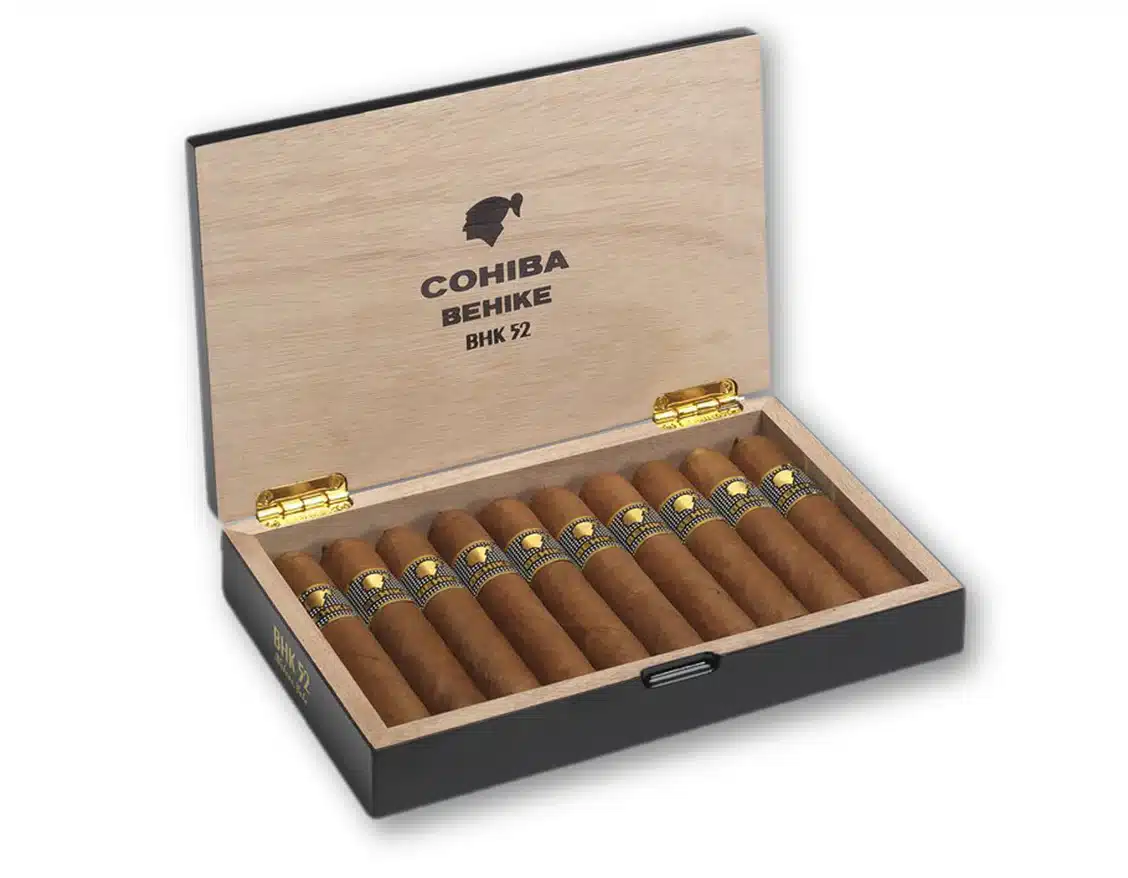
Extra Añejo: Fine cigars, espresso, or a sliver of rich pecan pie.
The Collector’s Experience
Some aficionados collect tequila much like rare watches or art. Bottles like Clase Azul Ultra, Código 1530 Origen, and Jose Cuervo Reserva de la Familia are as prized for their craftsmanship as for their flavor profiles. Include tasting notes in your private journal, and consider decanting for presentation during curated tastings.
Hosting a Private Tasting
Turn your next soirée into a sensorial journey with a guided tasting led by a tequila sommelier or brand ambassador.
Set up elegant placemats with notes, pair each tequila with a curated small bite, and offer a printed keepsake card for each guest.
Sourced agave crystals, volcanic stone serving boards, and hand-painted Mexican glassware add artisanal flair.
Final Thought:
Luxury tequila is a celebration of time, earth, and craft. Tasting it properly is more than indulgence — it’s an appreciation of heritage and refinement.
mixtae (mik-tah), a Latin term symbolizing the art of blending and intermingling, is your gateway to a life of unparalleled luxury and uncompromising elegance.
I thoroughly enjoy a good hot bath. That is my ultimate luxury. You have to have integrity. MICHELLE YEOH